
Getting back in shape after 50 is a different project from getting in shape the first time, and former athletes are the group most likely to get it wrong. Not because you lack discipline or knowledge; you have more of both than most people who walk into a gym. The problem is that your instincts were built at 22, and the body using them is 54. Here is what to keep from your athletic past, what to retire, and how a coached, progressive program rebuilds strength after 50 without the setbacks that send so many former athletes back to the couch.
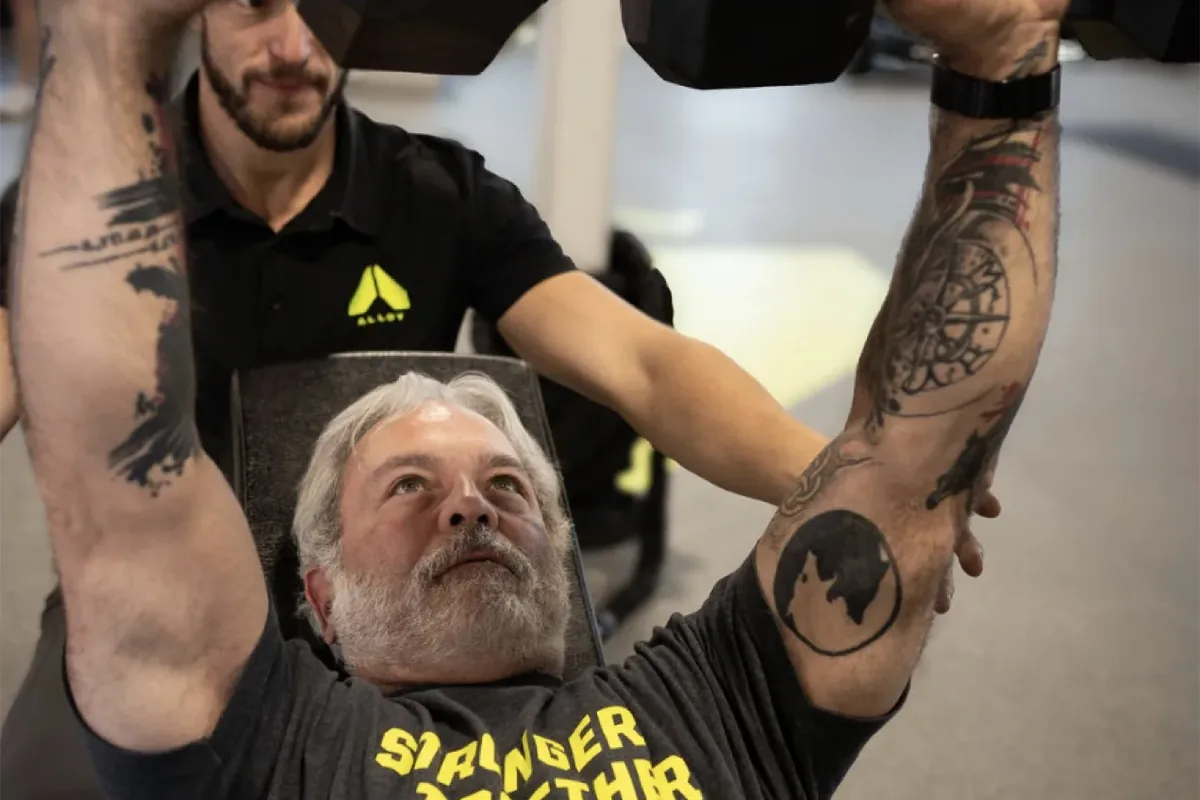
Why does the old approach backfire after 50?
Because the old approach was built around recovery you no longer have. At 22, you could train hard six days a week, eat whatever was in front of you, sleep badly, and still improve. The training was not smart; you were resilient. After 50, the same plan produces the same soreness with a fraction of the progress, and it often produces a strained back, a cranky shoulder, or a knee that ends the comeback in week three.
The pattern is so common we have a name for it in the studio: the week-two injury. A former athlete joins, remembers what hard work felt like, goes straight to that intensity, and gets hurt before the body has rebuilt the patterns that made that intensity safe in the first place.
What should you keep from your athletic past?
More than you think:
- Your work ethic. You know how to show up and push. That is the single hardest thing to teach, and you already have it.
- Your movement memory. Squats, hinges, and explosive patterns come back faster for former athletes than for anyone else. The nervous system remembers, even when the muscle has to be rebuilt.
- Your competitiveness. Pointed at the right target, a retested benchmark or a monthly InBody scan, it is the best motivator in the building.
- Your respect for coaching. You trained under coaches for years. You know the difference between being supervised and being led, and you are unlikely to settle for a class that does the latter.
What should you retire?
Three habits, all of them from a younger body:
- Intensity as the measure of a good workout. After 50, the measure of a good session is whether you progressed and whether you can train again in two days. Wrecked is not a goal.
- Training through pain. At 22, pain was information to ignore. At 54, it is information to act on. Modifications are not weakness; they are how you stay on the floor long enough to get strong.
- The random hard workout. The bootcamp, the whatever-feels-brutal-today session. Strength after 50 comes from a planned program where loads go up in steps over weeks, not from a different punishment every Tuesday.
What does a coached comeback look like?
Assessment first. Every member at Alloy Personal Training Middleton starts with a complimentary VIP Session: a conversation about your goals and your athletic history, an InBody body composition scan for a baseline, and a strength and mobility assessment where a coach watches how you move today. Old injuries, the ones from the field and the ones from the decades since, get built into the program from the start.
Then a structured program, in coached sessions capped at six and about 50 minutes long, two or three times a week. The first month rebuilds the patterns under moderate load. The next blocks progress the load in planned steps. Strength benchmarks get retested, the InBody scan repeats monthly, and the competitive part of you gets real numbers to chase. Most former athletes notice strength coming back within the first few weeks; a genuine base takes months, and it is very hard to lose once it is built.
Key Takeaway
Former athletes over 50 have the work ethic, the movement memory, and the competitiveness to rebuild fast. What they need to retire is the instinct to start at the intensity they remember. A coached, progressive program, with recovery built in and a coach watching every set, turns a comeback into a base instead of a week-two injury.
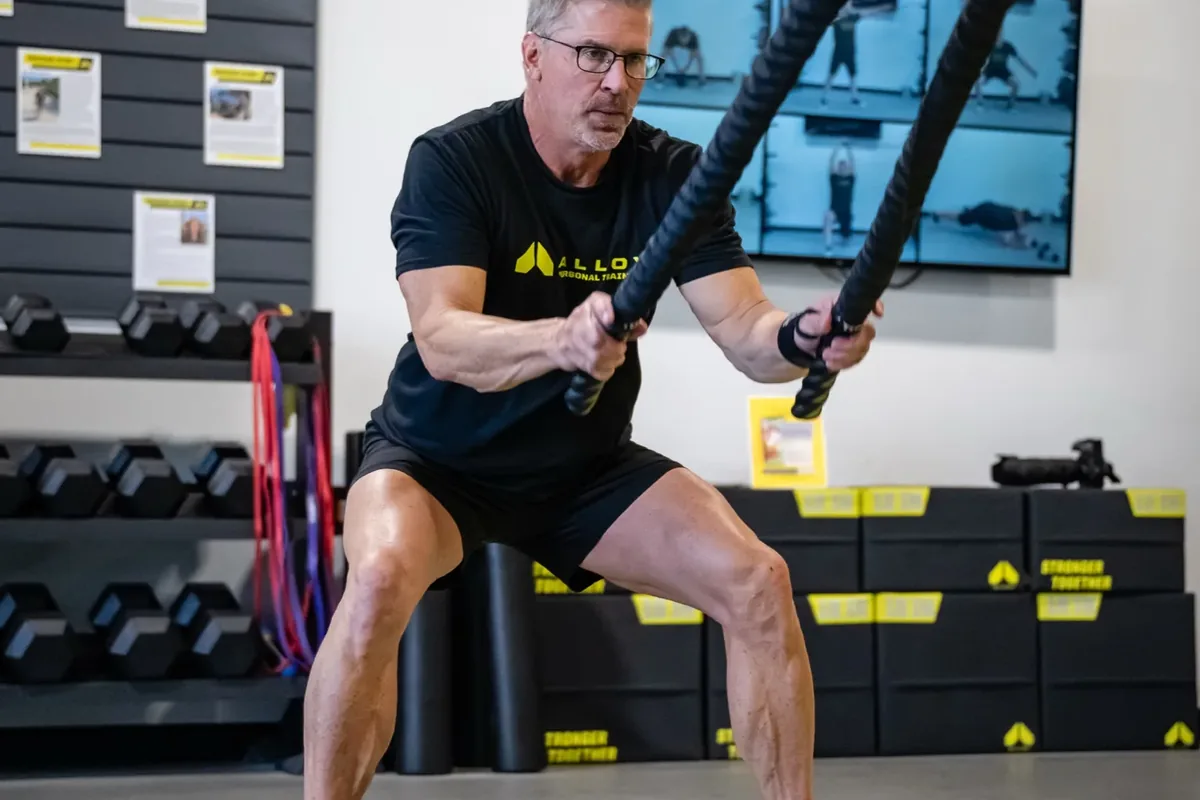
Why a small group rather than going it alone?
Because the thing that got you hurt last time was training alone with 22-year-old instincts. A coach in the room is the difference. Someone who sees the lumbar spine rounding on the last rep of the deadlift, who drops the load before the form breaks, who swaps the exercise when the shoulder you separated in 1994 objects. Sessions capped at six mean that attention is real, every session.
And the room matters. Our members are adults 40 and over training seriously, many of them with the same background you have. The hockey player from Verona who rebuilt after a hip replacement, the former college rower from West Madison now lifting heavier than she did in school. It is the competitive, coached environment most former athletes miss, and it comes without the injuries this time.
How do you start?
Book the assessment, and let the coach set the starting line instead of your memory. Get Your Complimentary VIP Session at our studio at 8333 Greenway Blvd, Suite 140, just off the Beltline on Middleton's west side. You will leave with an InBody baseline, an honest picture of how you move today, and a customized plan that starts where you are and builds toward your strongest decade. You can read more about how we program strength training for adults over 40 first.